
Crates
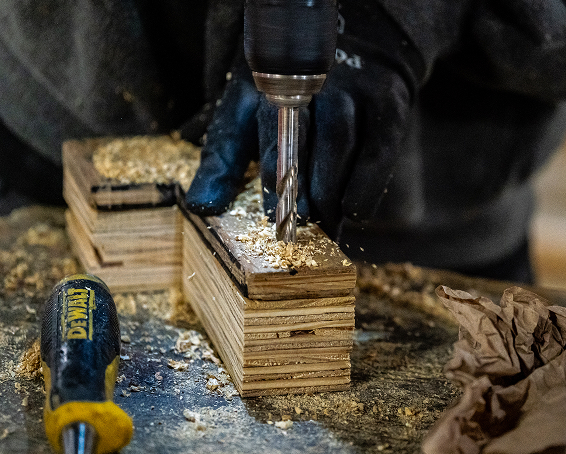
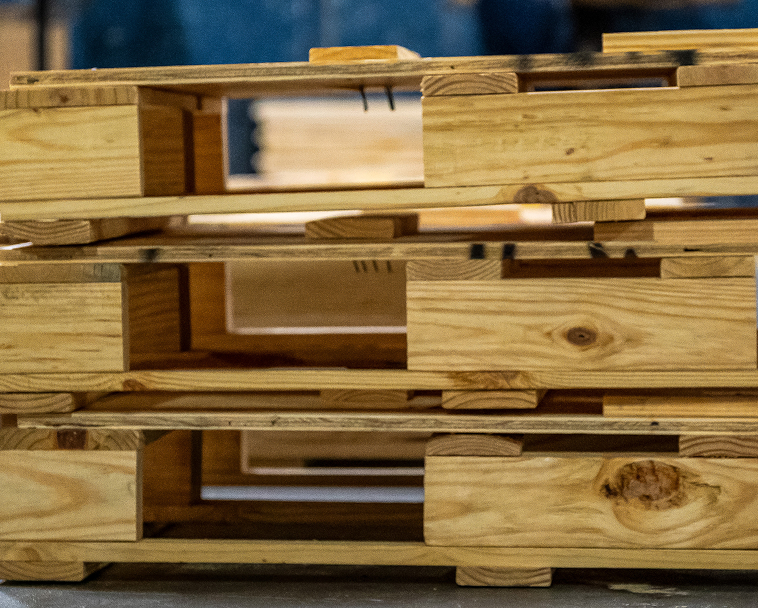
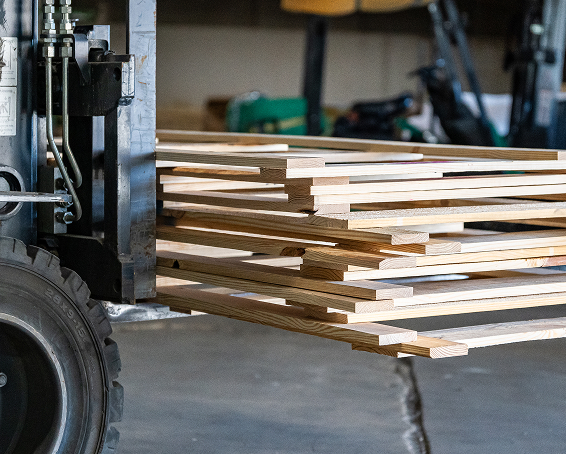
Military crating refers to the specialized design, construction, and use of robust packaging solutions to protect sensitive and valuable military equipment, supplies, and materials during transportation and storage. Unlike standard commercial packaging, military crating adheres to stringent guidelines and “Mil-Spec” (Military Specification) standards set by government agencies like the Department of Defense (DoD).
Beyond physical protection, military crating also involves precise labeling and marking requirements (e.g., MIL-STD-129) for identification, handling instructions, and tracking. These standards ensure consistency and efficiency within the military’s complex global supply chain. The rigorous requirements and testing processes differentiate military crating, making it a critical component of military logistics and operational readiness.

SPECS
Military specification (Mil-Spec) crating standards are a complex set of guidelines designed to ensure the robust protection, efficient handling, and proper identification of military equipment and supplies. Mil-Spec Packaging specializes in the interpretation of standards, construction, and shipment of all wooden packaging for official government use.
I. General Packaging and Preservation Standards
- MIL-STD-2073 (Standard Practice for Military Packaging): This is perhaps the most fundamental and comprehensive standard. It outlines the general preservation methods and military packaging development processes, covering everything from materials used to testing procedures. It often dictates specific codes for:
- Preservation Method: How items are protected against environmental degradation (e.g., physical protection, preservative coatings, waterproof/watervaporproof protection, with or without desiccant).
- Packaging Level: The degree of protection required (Level A for most severe conditions, Level B for moderate conditions, etc.).
- Container Type: The kind of exterior container to be used (e.g., wood box, fiberboard box, drum).
- Quantity per Unit Pack (QUP): The number of items to be included in a single unit package.
- ASTM D3951 (Standard Practice for Commercial Packaging): While not strictly a “Mil-Spec,” this ASTM standard is frequently referenced in military contracts for items that do not require the highest levels of military-specific protection. It provides commercial guidelines for preservation, packaging, packing, and marking.
II. Marking and Identification Standards:
- MIL-STD-129 (Military Marking for Shipment and Storage): This mandatory standard ensures consistent and uniform marking of military shipments and storage items. It specifies requirements for:
- Labels and Barcodes: Including unit, intermediate, and exterior container markings.
- Handling Instructions: Symbols and text for hazardous, sensitive, or special items.
- Identification: National Stock Numbers (NSNs), part numbers, quantity, and other critical data.
- RFID (Radio Frequency Identification) and UID (Unique Identification): Requirements for modern tracking technologies.
- MIL-STD-130 (Identification Marking of U.S. Military Property): This standard provides guidelines for the unique identification marking of military assets, including equipment, parts, and supplies, often incorporating CAGE (Commercial and Government Entity) codes, serial numbers, and other identifiers.
III. Crating-Specific Standards (often superseded or supplemented by ASTM standards):
- PPP-B-601 (Boxes, Wood, Cleated-Plywood): Covers requirements for new wood cleated-plywood boxes for domestic and overseas shipment of general materials.
- PPP-B-621 (Boxes, Wood, Nailed and Lock-Corner): Specifies requirements for new nailed and lock-corner wood boxes, assembled or knocked down.
- MIL-C-104 (Crates, Wood, Sheathed, General Purpose): Historically covered requirements for heavy-duty sheathed wood crates (though now largely superseded by ASTM D7478). These are designed for heavy loads and severe overseas conditions.
- ASTM-D-6251 (Standard Specification for Wood-Cleated Panelboard Shipping Boxes): Covers the fabrication and closure of wood-cleated panelboard boxes, serving a similar purpose to MIL-DTL-197K.
- ASTM-D-6256 (Standard Specification for Wood-Cleated Boxes with Skidded, Load-Bearing Bases): Focuses on boxes with integrated skids for easier handling and transport of heavier loads.
- MIL-B-2427 (Boxes, Wood, Cleated, with Battens): Covers specific designs of wood boxes with exterior vertical cleats.
IV. Packaging Material and Testing Standards:
- MIL-PRF-121 (Performance Specification, Barrier Materials, Greaseproof, Waterproof, Flexible, Heat-Sealable): Defines requirements for flexible barrier materials used to protect items from grease and water.
- MIL-PRF-131 (Performance Specification, Barrier Materials, Watervaporproof, Flexible, Heat-Sealable): Outlines requirements for materials designed to prevent water vapor transmission.
- MIL-PRF-22191 (Performance Specification, Bags, Heat-Sealable, Watervaporproof, Flexible, Transparent, Static Shielding): Specifies requirements for bags offering water vapor protection, transparency, and electrostatic shielding.
- MIL-DTL-117 (Bags, Heat-Sealable): Covers general requirements for heat-sealable bags used in military packaging.
- MIL-STD-3010 (Test Procedures for Packaging Materials): Establishes standardized testing procedures for various packaging material properties, including water vapor transmission rate, seam strength, puncture resistance, and more.
- MIL-I-8835 (Humidity Indicator): Specifies requirements for humidity indicator cards used to monitor moisture levels inside sealed packages.
- MIL-STD-1686 (Electrostatic Discharge Control Program for Electrical and Electronic Parts, Assemblies, and Equipment): Addresses the control of electrostatic discharge (ESD) for sensitive electronic components, impacting the types of packaging materials and procedures used.
It’s important to note that many older Mil-Specs have been canceled, superseded, or are now handled by ASTM International standards, but their principles and practices often remain relevant or are still referenced in contracts. Companies involved in military crating must stay up-to-date with the latest revisions and specific contract requirements.